
Flexible Electrical Cabinet Configuration for Production Line and Industrial Projects
Industrial electrical cabinets are rarely used under exactly the same conditions from one project to another. Production line layout, machinery type, power requirements, available installation space, control functions and cable routing can all affect the most suitable cabinet configuration.
For this reason, we support configurable electrical cabinet solutions for production lines, automation equipment, industrial machinery, manufacturing systems, processing equipment and power distribution applications. Rather than limiting customers to a fixed cabinet size or layout, different structural and electrical requirements can be discussed according to the actual application.
Customers can provide cabinet drawings, electrical schematics, component lists, machinery information, technical specifications or basic project requirements. These materials can be used as the basis for discussing cabinet dimensions, internal arrangements, control functions and project quantities before supply.
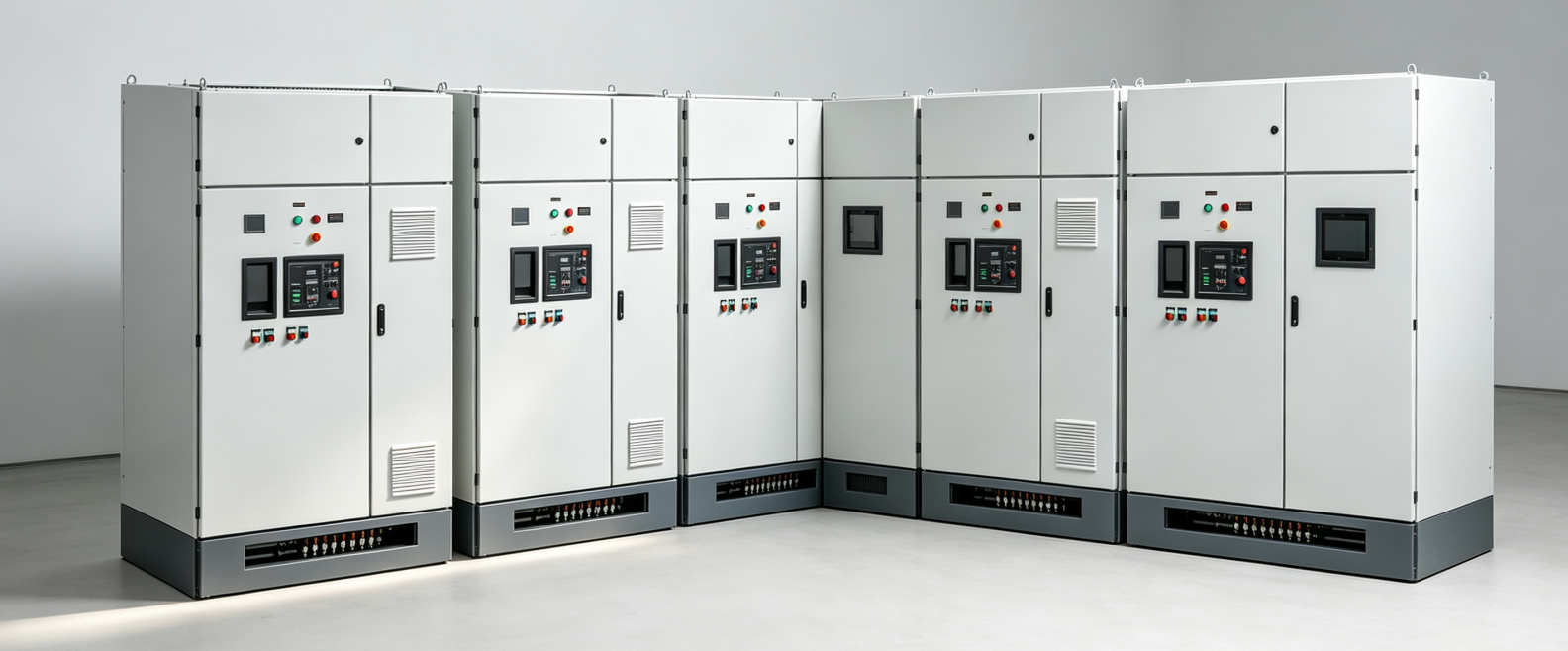
Cabinet dimensions, internal layouts and electrical functions can be coordinated around machinery, production line and installation requirements.
Designed Around Industrial Equipment
Different machines may require different control methods, component quantities and wiring arrangements. Cabinet configuration can therefore be adjusted according to the connected equipment rather than using the same specification for every application.
This is especially useful for production line projects where multiple machines or process stages need separate control, distribution or protection functions.
Configuration Around Site Conditions
Installation space, cable direction, surrounding equipment, maintenance clearance and cabinet position can all influence the external dimensions and internal arrangement of the cabinet.
These factors can be considered before production to help ensure that the cabinet is more suitable for the intended industrial environment.
Electrical Cabinet Specifications That Can Be Coordinated
Configuration can involve both the external cabinet structure and the internal electrical arrangement. The following items are some of the common areas that can be discussed according to project requirements.
CABINET DIMENSIONS
Cabinet height, width and depth can be arranged around installation space, component quantity and project requirements.
INTERNAL LAYOUT
Electrical components, terminals, wiring channels and mounting areas can be positioned according to functional requirements.
COMPONENT ARRANGEMENT
Component combinations can be coordinated for distribution, control, protection, switching and automation applications.
CABLE ENTRY DIRECTION
Top entry, bottom entry or other cable routing arrangements can be considered according to on-site installation conditions.
CONTROL FUNCTIONS
Cabinet functions can be configured around machinery control, motor control, monitoring or production line operation.
PROJECT IDENTIFICATION
Cabinet identification, labeling and project-specific information can be coordinated for multi-cabinet industrial projects.
More Than a Standard Cabinet
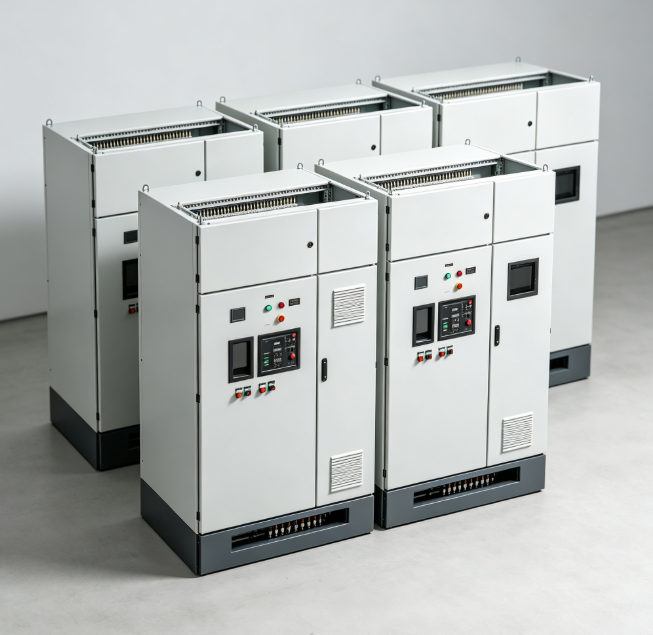
For larger industrial projects, several different cabinet specifications may be required within the same system. One cabinet may handle power distribution, another may be used for machinery control, while additional units may support auxiliary equipment or automation systems.
These different cabinet requirements can be reviewed as part of the same project so that dimensions, functions and identification can be coordinated more clearly during procurement and supply.
Configuration for Production Line Applications
Production lines typically consist of multiple machines and supporting systems working together. The electrical requirements for each section may be different, so the cabinet configuration should reflect the function of the equipment it serves.
For example, a production area may require a main distribution cabinet, several equipment control cabinets and additional cabinets for auxiliary systems. Each cabinet may have different component quantities, cable directions and internal layouts.
By coordinating these details during the configuration stage, different cabinet types can be supplied as part of one industrial project while maintaining clearer project organization.
Cabinet Size and Structural Configuration
Cabinet dimensions need to balance two practical requirements: sufficient internal space for electrical components and suitable external dimensions for the installation area. A cabinet that is too small may restrict component arrangement and wiring, while a cabinet that is unnecessarily large may create installation difficulties.
Project information such as component quantity, panel arrangement, cable direction and available installation space can therefore be useful when determining cabinet dimensions.
Structural considerations may also include door arrangement, maintenance access and the positioning of internal mounting areas. These details can vary significantly between machinery applications and production environments.
Internal Electrical Layout and Component Arrangement
The internal layout of an electrical cabinet affects wiring, maintenance and future inspection. Components should have sufficient installation space while leaving appropriate areas for terminals, wiring channels and cable routing.
Different functional sections may also need to be arranged separately depending on the electrical design. Power distribution components, control devices, protection components and terminals may require different installation areas inside the cabinet.
If customers already have component lists or electrical drawings, these materials can provide a clearer basis for internal arrangement. Where only general requirements are available, the cabinet configuration can be discussed according to the intended industrial application.
TECHNICAL SPECIFICATIONS
Cabinet dimensions, component requirements and electrical functions can be reviewed from available project specifications.
PROJECT DRAWINGS
Electrical drawings, cabinet drawings and equipment layouts can be used as configuration references.
EQUIPMENT INFORMATION
Machinery application and operating requirements help determine suitable control and distribution arrangements.
ORDER QUANTITY
We support individual cabinet requirements as well as project-based and wholesale procurement.
From Project Information to Cabinet Supply
REQUIREMENT REVIEW
Review cabinet application, dimensions, functions and available project information.
CONFIGURATION CONFIRMATION
Confirm structural and electrical configuration requirements before production.
PRODUCTION COORDINATION
Cabinet production is organized according to the confirmed project requirements.
SUPPLY & DELIVERY
Orders are prepared for project supply, wholesale procurement and coordinated delivery.
Support for Multi-Cabinet Projects
Larger production line projects may require several cabinet types operating within the same electrical system. These projects can involve different cabinet dimensions, component arrangements and functional requirements.
Instead of treating every cabinet as an unrelated product, cabinet specifications can be coordinated according to the overall project. This can help keep identification, documentation and procurement more organized.
Where the same cabinet design is required repeatedly, confirmed specifications can also provide a useful reference for repeat procurement and future project requirements.
Wholesale Electrical Cabinet Configuration
Our configuration service can also support wholesale buyers, industrial contractors, machinery manufacturers and production line projects requiring multiple cabinets. Different configurations can be included within the same order depending on the requirements of each application.
Customers can provide required quantities together with available technical information. This helps clarify which cabinets share the same configuration and which require different dimensions or electrical arrangements.
This approach is suitable for project procurement where both quantity and configuration need to be coordinated before production and supply.
Send Us Your Cabinet Requirements
If you have electrical drawings, cabinet dimensions, component requirements, machinery information or expected order quantities, these details can be provided when discussing your project. We can then review the configuration requirements according to your industrial application.